Introduction
They say a man’s life is a collection of stories-some whispered in dark corners, others celebrated under bright lights. For me, those stories have taken me across the chaos of adolescence, through the rigid discipline of military life, and into the tranquil greens of the golf course. Each step forward has been a reckoning with my past, an effort to carve meaning from both triumph and failure. My journey has been about far more than just survival-it’s been about discovering purpose.
Born in Anaheim, California, in 1988, I grew up in a family always on the move. My father’s career took us from Costa Mesa to Albuquerque, to the flashing lights of Las Vegas, and finally to the quieter streets of Murrieta, California. Each relocation felt like a fresh start, but it also meant uprooting friendships and rebuilding connections, which taught me how to adapt quickly. I thrived on change but longed for stability. In Las Vegas, the lights and glamour fascinated me. I remember magic shows where I was levitated and had swords pass through me-a child’s fantasy come to life. But life isn’t always as magical as it seems.
As I moved into adolescence, family tensions escalated. My parents divorced, and I found myself living with my mother and younger brother while my sister stayed with my grandparents. In those years, I discovered two things that defined me: an insatiable need for adventure and a deep-seated rebellion against authority. I excelled academically but lost focus after enrolling in Cal Poly Pomona, where I studied mechanical engineering. I hated being indoors, chained to CAD drawings and engineering plans, and I longed to be outside, living life. My life spiraled as I partied, skipped classes, and befriended gang members. I thought I was untouchable.
At age 20, I was earning $75,000 a year as a manager at EZ Lube. It felt like I had everything-money, friends, and freedom-but that freedom led me into dangerous situations. I was involved in stealing motorcycles and selling them after swapping frames. The thrill of evading the police became addictive until the Gang Task Force finally caught up with us. My brush with the law should have been a wake-up call, but I considered it a narrow escape. I kept pushing my luck, thinking life was one big game. When friends began getting arrested or shot, I knew I needed a change.
In 2011, I approached military recruiters. Most wouldn’t give me the time of day because of my past, but I found one in East LA who saw potential in me and helped secure the necessary waivers. By January 2013, I was in Fort Sill, Oklahoma, as a 25-year-old private starting basic training. I thrived on the structure and discipline of the Army, but I also found ways to bend the rules. Basic training was grueling, but I embraced the challenge. I sacrificed sleep to make sure my hospital corners were perfect and used my wits to navigate the system. I knew how to play the game.
My first duty station was Camp Casey in South Korea, where I was stationed near the North Korean border. The tension was constant, with bags packed and ready in case of an
emergency. Life there was a mix of intense training, heavy drinking, and making memories I’d never forget-and some I’d wish I could. The military culture of drinking became my coping mechanism. During a training exercise in the harsh Korean winter, our vehicle flipped, and I fractured my neck in two places. I ignored the pain and pushed on, a decision that would haunt me for years.
Upon returning stateside, I was stationed at Fort Carson, Colorado, where I met and married my first wife. We fostered children and dreamed of adopting, but our journey ended in heartbreak when two young brothers we had grown to love were returned to their biological family. The strain of military life, deployments, and personal loss weighed heavily on me. My injuries worsened, and I was prescribed a cocktail of medications that only masked the pain. I drowned my emotional struggles with alcohol.
I rose through the ranks, earning the title of Staff Sergeant within five years and taking on leadership roles that I cherished. I led artillery sections, trained soldiers, and received accolades, but my personal life was in turmoil. At Joint Base Lewis-McChord (JBLM) in Washington, my marriage unraveled as I battled infertility and emotional distance. I turned to alcohol and infidelity, spiraling further until I hit rock bottom. My downward trajectory continued at Fort Drum, where I was alone, drinking heavily, and struggling to maintain control. A DUI after a military ball was the final straw.
After years of service and multiple deployments, I was discharged with diagnoses of PTS, traumatic brain injury, and chronic pain. I had lost friends to suicide, and I attempted to take my own life. When the weapon failed, I sought help-but it felt like too little, too late. The military had given me purpose but had also left me broken. I left with a GOMOR (General Officer Memorandum of Reprimand) on my record but with the hope that I could rebuild my life.
I found refuge in the oil fields of North Dakota, working on crane repair and project management. But even then, I was still running from myself. COVID-19 became the unexpected catalyst for change. I used my GI Bill to move to Costa Rica, where the serenity of the countryside and the rhythm of the golf course gave me space to heal. I immersed myself in the local community, teaching English and rediscovering my faith. Golf became more than a game; it became a metaphor for life-every shot requiring focus, every setback an opportunity to recover.
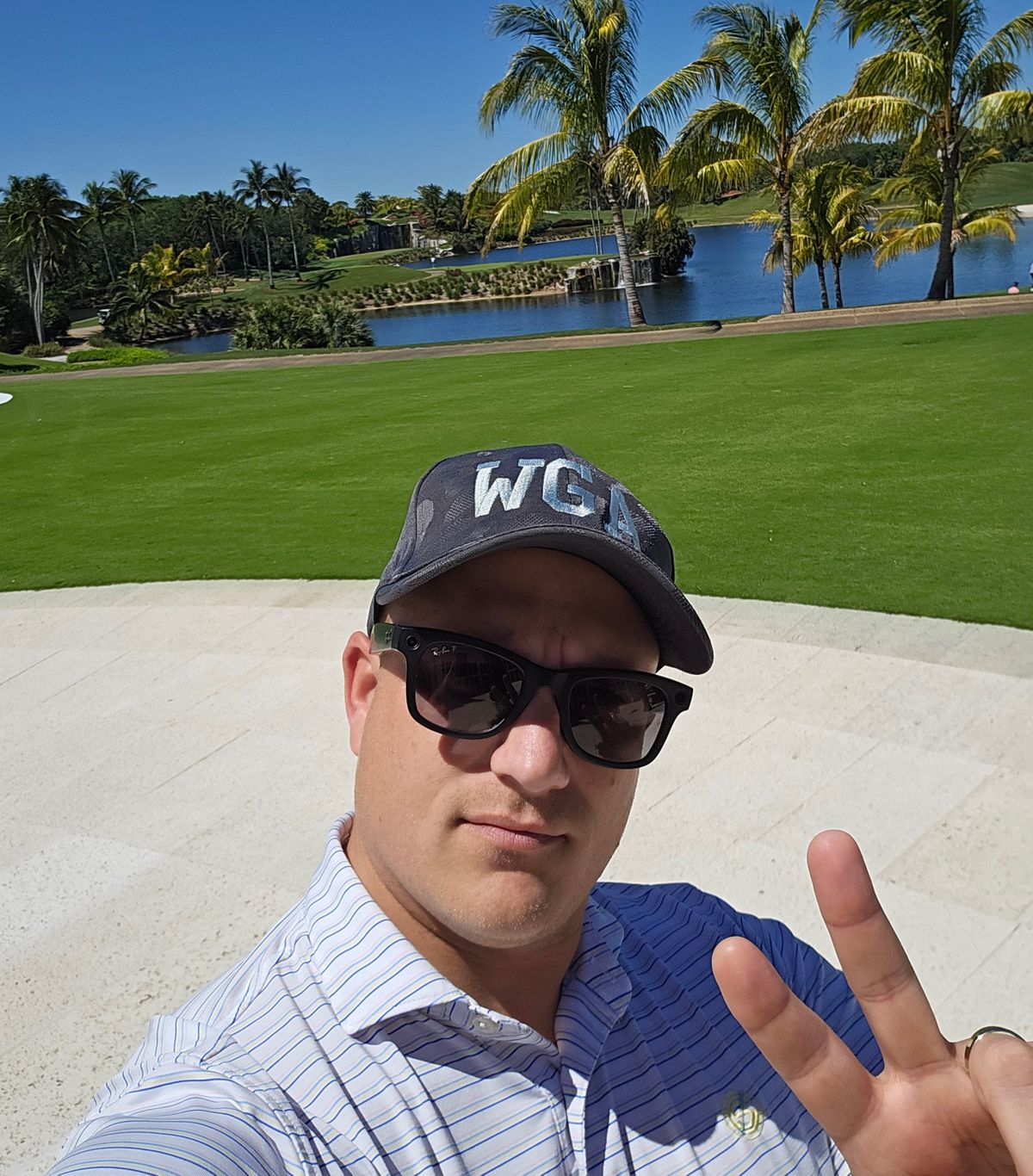
It was in Costa Rica that I met my current wife, and together, we built a life rooted in faith, love, and healing. When I returned to the United States, I founded Warrior Golf Academy (WGA) to give back to veterans like me who were struggling to find purpose after service. WGA became my mission-to use golf as a therapeutic tool to combat PTSD, foster community, and provide career opportunities for veterans.
Now, as I stand on the fairway looking forward, I see my journey not as a series of failures but as lessons. The shadows that once defined me have given way to light, and my mission is to help others find their way out of the darkness. From the chaos of adolescence to the discipline of military life and the peace of the golf course, this is my story-a story of redemption, resilience, and purpose.
Chapter 1: Finding Freedom in Chaos
In the echo of my teenage years, chaos wasn’t just a phase-it was my identity. I thrived on the thrill of adventure, the risks I wasn’t afraid to take, and the sense of invincibility that only youth can provide. High school and college were less about classes and grades and more about chasing freedom wherever it could be found. My days were filled with reckless choices, nights that blurred into mornings, and a rebellious streak that felt as if it would never fade. I lived fast, partied harder, and ignored the quiet voice inside me that warned this wasn’t sustainable.
Growing up in Murrieta, California, during my teenage years, I was drawn to excitement and danger. My rebellious nature didn’t emerge from nowhere; it was fueled by family upheavals, including my parents’ divorce, and the struggle to navigate a shifting sense of belonging. When I entered high school, the structure of academics felt suffocating, and I sought escape in any form of thrill I could find. My friends and I spent our nights attending parties, cruising through neighborhoods we shouldn’t have been in, and pushing boundaries at every opportunity.
Despite the chaos, I wasn’t entirely without direction. By the time I was 20, I had achieved significant professional success. I was promoted to store manager at EZ Lube, overseeing operations and making $75,000 a year-a salary that far outpaced most of my peers. I felt untouchable. The money gave me a sense of independence and control, but it also opened doors to a darker world of temptation. Instead of using my success as a foundation for stability, I treated it as a means to fund my reckless lifestyle.
The adrenaline rush of living on the edge soon escalated. What began as harmless fun turned into experiments with crime. My friends and I got involved in stealing motorcycles, swapping out frames to avoid detection, and selling them for quick cash. At the time, it seemed like a clever hustle. We had our system perfected-or so we thought. We buried old frames in the desert and swapped titles overnight, making it nearly impossible for anyone to trace the stolen bikes. We were young, resourceful, and convinced that we were invincible.
But living on the edge always comes with risks, and our luck couldn’t last forever. One night, after a particularly wild party, I found myself being handcuffed on the hood of a patrol car. Underneath my seat was enough evidence to send me away for years. As fate would have it, the officer received a call and let me go with a warning. That moment should have been a wake-up call, but at the time, I saw it as confirmation that I could get away with anything.
It wasn’t just the police we had to worry about. The circles I ran in were filled with people who lived by their own rules, and many of them ended up in jail or worse. Friends I had grown up with were being caught, shot, or locked away for crimes that mirrored our own escapades. The reality of their fates hit me hard. I started seeing the cracks in the illusion I had built around me-the belief that this life could last forever.
Despite the warning signs, I pushed forward, convinced I could walk the fine line between success and destruction. My nights were filled with house parties that spiraled out of control, weekly trips to Mexico, and high-speed chases that only added to the thrill. But beneath the
adrenaline-fueled facade, I was losing my grip on reality. I became a prisoner of the lifestyle I had created, unable to escape the web of crime, alcohol, and recklessness.
One of the most defining moments came during a massive party in the desert-a celebration that turned into chaos when the police arrived with helicopters circling overhead. I managed to escape that night, but the thrill was short-lived. I couldn’t ignore the growing sense that I was living on borrowed time. My close brushes with law enforcement, combined with the downfall of those around me, forced me to confront an uncomfortable truth: I was heading toward a dead end.
It was during this period of introspection that I realized the lifestyle I had embraced wasn’t sustainable. I had always prided myself on being able to outthink and outmaneuver anyone, but even I couldn’t outrun fate forever. The narrow escapes that once felt exhilarating now filled me with dread. I was tired of living in fear, tired of wondering if the next knock on my door would be the end.
The final push came when I saw some of my closest friends get caught up in legal battles that would alter the course of their lives. Watching them go to prison or suffer violent consequences made me realize I was no different. If I didn’t change, I would end up just like them. But the path to change wasn’t clear. I didn’t have a roadmap or a mentor to guide me. I only knew that I needed to escape the chaos before it consumed me completely.
For the first time, I felt the weight of responsibility-not just to myself, but to my family and the future I had almost thrown away. I wanted more than fleeting thrills and temporary victories. I wanted to build something real, something lasting. The realization was painful but necessary. I didn’t know exactly how I would turn things around, but I knew the first step was to leave the life I had created behind.
That moment of clarity became the foundation for change. It wasn’t easy, and the journey ahead would be filled with setbacks, but I had made the decision to reclaim my life. I had found freedom in chaos, but now it was time to find freedom through discipline, purpose, and redemption-a journey that would eventually lead me to the military and, later, to the fairways that would become my sanctuary.
Chapter 2: The Decision to Serve
By 2013, the weight of my chaotic past and brushes with the law had become too much to ignore. I knew I needed a drastic change, a way to reset my life before it spiraled completely out of control. The path wasn’t clear at first, but I kept coming back to the idea of the military. It offered structure, discipline, and purpose-everything I had been lacking. But there was one major obstacle: my legal record.
I approached multiple recruiters, but each one dismissed me because of my history. My involvement in criminal activities, combined with my arrests and narrow escapes from law enforcement, didn’t exactly make me the ideal candidate. But I wasn’t ready to give up. I finally found a recruiter in East LA who saw something in me that others didn’t. He recognized
my potential and was willing to fight for me. Securing a waiver to enlist in the U.S. Army wasn’t easy, but his persistence matched my determination. After a year of back-and-forth, paperwork, and proving that I was committed to changing my life, I was accepted.
When I arrived at Fort Sill, Oklahoma, for basic training in January 2013, I was 25 years old, older than most of the recruits. I didn’t know what to expect, but I quickly realized that the Army had its own way of breaking you down and building you back up. The freezing conditions were the first test. I remember stepping off the bus into the biting cold, my breath forming clouds as drill sergeants barked orders. We were thrown into the chaos of initial processing-hours of standing, waiting, and getting yelled at while holding heavy bags. Sleep became a luxury, and comfort was a distant memory.
Despite the grueling conditions, I thrived. I welcomed the structure and discipline, even as I found small ways to bend the rules. While others struggled to adjust, I quickly figured out how to navigate the system. If I needed extra time or a quick break, I’d grab a broom and pretend to be on cleaning duty. When drill sergeants asked where I was going, I’d say, “To clean the classroom, Drill Sergeant!” They’d usually wave me off, giving me just enough time to sneak a snack from the vending machine or make a quick phone call.
Basic training wasn’t just about physical endurance; it was about mental toughness. We were pushed to our limits, both physically and emotionally. I wasn’t the fastest runner, and I struggled with the long-distance runs during PT. But I made up for it with grit and determination. My ability to adapt quickly earned me respect among my peers, and I found myself emerging as a natural leader. Drill sergeants, although tough, began to recognize that beneath my rebellious tendencies was someone who could lead.
I remember the pride I felt after our final field training exercise (FTX), where we were tested on everything we had learned-navigation, marksmanship, teamwork, and resilience. As we stood together during the graduation ceremony, wearing our newly earned Army uniforms, I realized I had taken the first major step toward transforming my life.
After completing basic training and Advanced Individual Training (AIT), I received orders to be stationed at Camp Casey in Dongducheon, South Korea. My deployment to Korea was my first exposure to international culture and military tensions. Camp Casey was just a few miles from the Demilitarized Zone (DMZ), and the threat of conflict with North Korea was always present. Our bags were constantly packed, ready for rapid deployment in case of an emergency.
Living in Korea was a cultural shock but also an adventure. The bustling streets of Seoul, the back-alley bars, and the late-night markets introduced me to a world far different from anything I had known in California. I quickly learned that the military presence in Korea wasn’t just about training; it was about maintaining a delicate balance of power. North Korean missile tests and military exercises often triggered heightened alerts, and we had to be ready to respond at a moment’s notice.
The Ville, a district just outside the base, was a hotspot for soldiers seeking escape from the monotony of military life. It was filled with clubs, bars, and everything a young soldier could want. But beneath the surface, it was a dangerous place. Many soldiers fell into trouble there,
and I wasn’t immune to the temptations. The drinking culture in Korea was pervasive, and Soju, a local alcoholic drink, became both a friend and a foe. There were nights when we celebrated victories and nights when we drowned our frustrations, but each one left its mark.
Despite the distractions, my time in Korea was transformative. The demanding training exercises honed my technical and tactical skills as a cannon crew member, and the experience of being stationed so close to a potential conflict zone gave me a newfound sense of responsibility. One of the most memorable exercises involved moving artillery pieces under harsh conditions, where teamwork and precision were critical. My section had to operate in freezing temperatures during the Korean winter, navigating icy terrain to set up our positions. It was grueling work, but it forged a bond between us that went beyond mere camaraderie-we became a family.
On nights when we weren’t training, my fellow soldiers and I would gather around and talk about life back home, our dreams, and the sacrifices we had made to serve. Those conversations reminded me of why I had joined in the first place-to find purpose and redemption. For the first time in years, I felt like I was part of something bigger than myself. I wasn’t just living for the moment anymore; I was contributing to a mission that mattered.
The harsh conditions and high-stress environment of Camp Casey tested me in ways I hadn’t anticipated. I had to learn how to lead, how to manage conflicts within my team, and how to remain calm under pressure. When tensions with North Korea would escalate, we had to be prepared for rapid deployment. Those moments of heightened alertness, with the weight of real-world consequences looming over us, shaped me as a soldier and as a person.
Korea wasn’t just a deployment; it was a test of character. It pushed me to confront my weaknesses and showed me the strength I didn’t know I had. The combination of discipline, adversity, and exposure to a global conflict zone set the stage for the next chapter of my life-one where I would take on greater responsibilities and face challenges that would further test my resilience. It was the beginning of a journey that would take me through highs and lows, victories and losses, but it gave me the foundation I needed to keep moving forward, knowing that I was no longer the man defined by his past.
Chapter 3: Leadership and Trauma
The U.S. Army didn’t just provide me with structure and discipline-it transformed me into a leader, forged through adversity and relentless challenges. When I enlisted in 2013, I was at the bottom of the ranks, a private with a complicated past and an uncertain future. But within five years, I had risen to the rank of Staff Sergeant (E6), a milestone that reflected not only my ability to perform but also my determination to lead others effectively and with purpose.
Military Life and Ascending the Ranks
My rapid ascent through the ranks was the result of hard work, resilience, and the lessons learned from both success and failure. As a Section Chief and later a Gunnery Sergeant, I was tasked with responsibilities that went far beyond the technical aspects of artillery. I wasn’t
just loading shells and calling fire missions; I was building teams, mentoring younger soldiers, and ensuring the operational effectiveness of my unit. My ability to quickly learn and master technical systems helped me become a top artillery expert, but it was my willingness to lead by example that earned the respect of my peers and superiors.
The Army demanded excellence, and I thrived on that pressure. I led my section through grueling training exercises, including artillery certifications where precision, timing, and teamwork were critical. My team consistently achieved high marks, and I pushed them to exceed expectations. But leadership in the Army wasn’t about individual success-it was about collective achievement. I had to learn how to inspire soldiers who were exhausted, homesick, or struggling with their own demons. Leadership wasn’t about yelling orders; it was about being the first one to pick up a shovel during a field exercise or the last one to leave when the work was done.
The Demands of Deployment and Life-Threatening Injuries
Military life wasn’t just about honing skills and climbing the ranks-it was about facing danger head-on. During my deployment in Korea, a routine training exercise turned into a life-altering event. We were conducting drills in harsh winter conditions, navigating icy terrain with heavy artillery equipment. The snow and ice made every step treacherous, and as our convoy moved through a particularly difficult stretch, one of the vehicles flipped. I was inside when it happened, and the impact left me with a neck fracture in two places and a traumatic brain injury (TBI).
At the time, I downplayed the severity of my injuries. The Army had conditioned me to push through pain, to prioritize the mission above all else. I kept working, ignoring the migraines, the stiffness in my neck, and the fog that clouded my thinking. But those injuries were far from temporary. The damage to my body would follow me throughout my career, compounding over time as I continued to push myself beyond my physical limits.
The Weight of Leadership and the Toll of Loss
Leadership in the military comes with immense responsibility-not just for missions, but for people. I was responsible for the lives of my soldiers, and that weight became heavier with each deployment. As we moved from training exercises to real-world operations, I witnessed the harsh realities of military service. Friends and teammates didn’t always make it back. The first time I attended a military funeral, the roll call shattered me. Hearing the names of fallen soldiers called out, followed by the deafening silence, was a moment I would never forget.
The losses piled up, and with each one, a part of me seemed to erode. I buried the pain under layers of duty and responsibility, but it always found a way to resurface. I felt guilty for surviving when others didn’t. Survivor’s guilt became a constant companion, gnawing at the edges of my mental stability. I told myself that drinking was the only way to quiet the noise.
PTSD and the Struggle with Mental Health
The physical injuries from Korea were manageable compared to the psychological toll. PTSD crept into my life like an unwelcome guest, showing up in nightmares, flashbacks, and
moments of intense anxiety. I would wake up in cold sweats, reliving explosions or the sound of a soldier’s last breath. I turned to alcohol to cope, drinking to numb the memories that haunted me. My prescriptions for pain management only fueled the cycle. What began as a way to take the edge off became a dangerous dependency.
At Fort Drum, the combination of isolation, physical pain, and emotional distress reached its peak. I lived alone in a large, cold house, and the emptiness mirrored my internal state. After a military ball, I was arrested for a DUI. It wasn’t the first sign that my life was unraveling, but it was the most public. I knew I was in trouble. I had spent years building a career and a reputation, but it was all slipping away.
A Desperate Turning Point
The lowest point came when I tried to end my life. I was consumed by guilt, shame, and the feeling that I had failed-not just as a soldier, but as a leader and a person. When the weapon failed to fire, I was left in a moment of raw vulnerability. I realized that as much as I had been trying to save others, I had neglected to save myself. Seeking help wasn’t easy. The military culture I had grown up in viewed vulnerability as weakness, and admitting that I needed help felt like admitting defeat.
But I wasn’t alone. I had peers who understood what I was going through, and they encouraged me to seek help through the Army’s mental health services. The process wasn’t linear-there were setbacks, moments of doubt, and times when I wanted to give up. But I learned that healing, like leadership, requires perseverance.
A New Understanding of Leadership
Leadership had always been about guiding others, but I came to understand that true leadership starts with guiding yourself. The same principles that helped me lead my soldiers-resilience, accountability, and adaptability-were the ones I needed to apply to my own life. I wasn’t just recovering from physical injuries or overcoming PTSD; I was rebuilding my sense of self.
As I continued on my path to recovery, I realized that my experiences weren’t just burdens to carry-they were lessons. They taught me empathy, humility, and the importance of asking for help. And as I looked back on my journey, I understood that my role as a leader hadn’t ended when I left the Army. It had evolved. I could still lead by sharing my story, by showing others that it’s possible to come back from the darkest places and find light again.
Leadership had taken me through battlefields, training grounds, and deployments, but it had also taken me through the depths of trauma and back. And as I stood on the other side of it, I knew that my story wasn’t one of defeat-it was one of resilience, redemption, and the unshakable belief that we are stronger than we think.
Chapter 4: Love, Loss, and Family
Love entered my life unexpectedly, as it often does, while I was stationed at Fort Carson. After years of chaos and personal reinvention through the military, I felt ready to build something more stable, something lasting. She was someone who could see beyond my uniform and the hard exterior that military life had crafted. Our connection was immediate, and before long, I knew I wanted to marry her. We tied the knot quickly, a decision partly driven by the realities of military life. Deployments, relocations, and the ever-looming uncertainty of duty meant that time wasn’t always on our side.
In the beginning, our marriage felt like a refuge. Amid the constant changes of military life, we had each other, and for a while, that was enough. We shared dreams of building a family, a home where stability and love would fill the gaps left by the transient nature of deployments and training schedules. But the reality of life as a military family soon proved to be far more challenging than either of us had anticipated.
The first obstacle we faced was infertility. We were both eager to start a family, but after months of trying, we sought medical advice. I was diagnosed with a genetic condition that affected my fertility, and the news hit me like a punch to the gut. The idea that I couldn’t give my wife the family we had dreamed of filled me with guilt and a sense of inadequacy. I buried those feelings, as I had been trained to do with so many emotions, but they festered beneath the surface, straining our relationship in ways I didn’t fully understand at the time.
Determined to be parents, we turned to foster care with the hope of eventually adopting. The decision wasn’t easy, but it felt right. We went through the rigorous training and background checks, opening our home and hearts to children who needed stability. Each child who entered our lives left a mark, but none more than two young brothers who became the center of our world. For years, we cared for them, nurtured them, and dreamed of the day when they would officially become part of our family.
But foster care is a system fraught with uncertainty, and our dreams of adoption were shattered when the boys were reunited with their biological family. The day they left was one of the hardest of my life. I remember helping them pack their belongings, trying to hold back tears as they said their goodbyes. I wanted to believe that they were going to a better place, but the emptiness they left behind was overwhelming. It wasn’t just about losing the boys-it was about the sense of failure, as if we hadn’t been enough to keep them. That loss deepened the cracks that had already begun to form in our marriage.
The emotional toll of losing the boys was compounded by the pressures of military life. My injuries from Korea were becoming more debilitating, and the chronic pain made it difficult to be the supportive partner my wife needed. I often came home exhausted, both physically and mentally, unable to engage in the emotional work our relationship required. Instead of facing the problems head-on, I withdrew. Alcohol became my coping mechanism. It was easier to numb the pain than to confront it.
Arguments became a regular part of our lives. They often revolved around my inability to open up, my reliance on alcohol, and the unresolved grief over our inability to have children. My wife tried to reach me, but I was locked inside my own world of pain and regret. I felt as though I
was failing her, failing myself, and failing the vision of the life we had once dreamed of together.
We sought counseling, but the combination of my military obligations and my emotional unavailability made it difficult to make progress. The counseling sessions felt like band-aids on wounds that needed deeper healing. I knew I was on a destructive path, but I couldn’t find a way to change course. My pride, my training, and my fear of vulnerability kept me trapped.
The final breaking point came after yet another deployment, during which the distance between us grew insurmountable. By the time I returned, we were living as strangers under the same roof. The love was still there, but it was buried beneath layers of resentment and unspoken pain. We both knew that staying together was causing more harm than good.
When we made the decision to separate, it felt like a failure. I had fought to save our marriage, but in the end, I realized that sometimes love isn’t enough. As painful as it was, walking away was the right decision for both of us. The guilt and sadness lingered, but there was also a sense of relief-the kind that comes when you know you’ve done everything you can.
Reflecting on that chapter of my life, I see it not as a failure but as a lesson in the complexities of love and resilience. Marriage, like military service, requires perseverance, but it also requires vulnerability-something I struggled with at the time. The experience taught me the importance of confronting pain head-on, rather than burying it beneath the surface. It also showed me that love, even when it doesn’t last, leaves an imprint that shapes who we become.
In the years that followed, I carried the lessons of that relationship with me. They became part of my journey toward healing, self-awareness, and understanding what it truly means to be a partner, a parent, and a person capable of growth. I found faith and purpose in my path forward, recognizing that the love I had shared wasn’t wasted-it had been a stepping stone to the life I would build next. Through it all, I learned that love and loss are intertwined, but with loss comes growth, and with growth comes the possibility of a new beginning.
Today, I can look back on those years with gratitude. The struggles we endured, the children we cared for, and the lessons we learned have all shaped the person I am now. I know that love, in its many forms, is never lost-it evolves, it teaches, and it prepares us for the love we have yet to find.
Chapter 5: Breaking Down and Rebuilding
By the time I arrived at Fort Drum, I was already carrying the weight of my injuries, emotional scars, and a deep-seated reliance on alcohol as a coping mechanism. The once-steady foundation I had built as a leader and soldier was beginning to crumble, and I didn’t know how to stop it. Fort Drum wasn’t just another duty station-it became the setting for one of the most challenging periods of my life, where my struggles with mental health, substance abuse, and regret came to a head.
Crisis at Fort Drum
The signs of my downward spiral were present long before I arrived at Fort Drum. My neck injuries and traumatic brain injury (TBI) from the accident in Korea had worsened, and the chronic pain affected every aspect of my life. The prescribed medications numbed some of the physical symptoms, but they couldn’t touch the emotional and psychological turmoil that had been building since my early deployments. Instead of confronting these issues, I drowned them with alcohol, believing that numbing the pain was better than facing it.
At first, I managed to maintain appearances. I showed up to work, fulfilled my duties, and led my team with the same intensity I always had. But the cracks were becoming more apparent. My drinking escalated, turning from a casual release to a daily necessity. It wasn’t long before I could no longer hide it. The tipping point came after a military ball, where I drank heavily and decided to drive home. I was pulled over and arrested for a DUI, a moment that marked the beginning of the end for my military career.
The disciplinary actions that followed were swift and severe. I was issued a General Officer Memorandum of Reprimand (GOMOR), a formal reprimand that could have permanently stained my record. I fought to have it filed locally instead of permanently in my official record, acknowledging my mistakes but pleading for the chance to correct them. Despite my efforts, the damage was done. The shame and guilt from the incident weighed heavily on me, exacerbating my already fragile mental state. The respect I had earned through years of hard work seemed to slip through my fingers, leaving me isolated and consumed by self-doubt.
A Near-Fatal Turning Point
In the weeks following my DUI, the darkness I had been suppressing for years finally consumed me. My days blurred together in a haze of isolation, alcohol, and silence, trapped in a cold, empty house that mirrored the emptiness inside me. I wasn’t living-I was existing.
Every night, I sat alone with my thoughts, replaying every failure, every loss, every moment I wished I could take back. The burden of my injuries-the constant, burning nerve pain from my broken neck-was a reminder that my body was as damaged as my mind. The grief of losing my foster children, the ones I had fought to protect, weighed on me like an anchor. The collapse of my marriage, something I had once fought so hard to hold onto, left a void I couldn’t fill.
I had seen others spiral before. I had watched as brothers in arms lost their fight-some to battle, others to their own demons. I had seen lifeless bodies dangling from ceilings, had been in rooms where blood pooled beneath a gunshot wound that never should have been. I had been the one to answer the call, to knock on a door, to feel the weight of a folded flag.
Now, I was on the other side.
One night, overwhelmed by guilt and hopelessness, I made my decision. No one was coming to save me. No amount of therapy, no medication, no words of encouragement could erase what I had seen, what I had done, or who I had become.
I sat in that dark, silent house, bottle in one hand, pistol in the other. The cold steel against my skin felt final, absolute. I loaded the weapon, took a deep breath, and pulled the trigger.
Click.
The sound echoed in the stillness.
I sat there, stunned-staring at a weapon that should have ended my life, yet somehow… hadn’t.
I checked the chamber. The primer had been struck. The bullet should have fired.
But it didn’t.
A rush of anger, confusion, and then something else-something I hadn’t felt in a long time-flooded over me. Why? Why had it failed? I had trusted this weapon with my life countless times before. I had fired it thousands of times without failure. And yet, in this moment, when I was ready to leave this world, it did nothing.
It was as if God had reached out and intervened-as if the universe refused to let me go.
I didn’t cry. I didn’t break down. I just sat there, staring at that gun, realizing that for the first time in years, something had stopped me.
That moment wasn’t just a failure to end my life-it was a turning point. A sign that I wasn’t supposed to go out this way. A whisper in the darkness telling me: You are still here for a reason.
I had spent so long pretending to be strong, pushing through pain, wearing the mask of resilience that the military had trained into me. I had convinced myself that needing help was weakness, that breaking was failure. But in that moment, sitting there with a loaded gun that refused to fire, I understood something I had never let myself believe:
I wasn’t weak for wanting help. I was weak for believing I didn’t deserve it.
That night, the bottle stayed on the table. The gun went back into the safe. And for the first time in a long time, I chose to live.
The Failure of Mental Health Support Systems
I turned to the Army’s mental health services, hoping to find the support I so desperately needed. While there were moments of genuine help, the system often felt inadequate. Counseling sessions were brief, medication was the primary solution, and the underlying issues were never truly addressed. I felt like I was being patched up just enough to function, but never truly healed. The reliance on medication over comprehensive mental health treatment was a common issue many soldiers faced.
Part of the problem was the culture within the military itself. Admitting that you were struggling was seen as a sign of weakness, something that could jeopardize your career and reputation. I was afraid of being labeled as broken, of losing the respect of my peers and subordinates. But the more I tried to hide my struggles, the more they consumed me. I wasn’t alone in this battle-many of my fellow soldiers were fighting similar internal wars, but the stigma surrounding mental health kept us silent. We were expected to be resilient, to carry the burdens of war without complaint, but that expectation came at a cost.
I remember the counseling sessions where I wanted to speak honestly but held back out of fear. I didn’t want to be seen as a liability or risk being removed from my position. The very environment that demanded loyalty and strength had created a wall that prevented many of us from seeking the help we needed. I wasn’t just battling my injuries or my memories-I was battling a culture that told me to stay quiet.
Discharge from Service
In 2019, after six years of service, I was discharged under honorable conditions. On paper, it was a respectable end to my military career, but inside, I was filled with regret. I had entered the Army with high ambitions, determined to rise through the ranks and make a lasting impact. I had achieved much-becoming a Staff Sergeant, leading teams, and earning multiple commendations-but I couldn’t shake the feeling that I had fallen short of my potential.
My discharge was a mix of relief and devastation. Relief because I was finally leaving an environment that had become toxic for me. Devastation because the Army had been my purpose, my identity, and my source of pride. Without it, I felt adrift. The transition to civilian life was anything but smooth. The structure and routine that had once anchored me were gone, leaving me to face the chaos within myself without the familiar framework of military discipline.
I wrestled with feelings of failure, replaying the moments where I believed I could have done better. The DUI, the GOMOR, the strained relationships with my fellow soldiers-all of it felt like proof that I had let down not only myself but the people who had believed in me. I questioned whether my contributions had mattered or if I had been just another soldier who couldn’t handle the weight.
The First Steps Toward Rebuilding
But even in the midst of that regret, there was a flicker of hope. The lessons I had learned-about resilience, leadership, and the importance of asking for help-began to take root. I realized that rebuilding wouldn’t be easy, but it was possible. Surviving my suicide attempt wasn’t just luck; it was a second chance, a chance to confront everything I had been avoiding.
I began to reflect on my time in the military not as a series of failures but as a series of lessons. Every mistake, every setback, and every moment of pain had something to teach me. The leadership I had demonstrated on the field wasn’t gone-it was just waiting to be redirected. The courage I had shown in battle could be repurposed into courage for self-repair.
I sought support through veterans’ organizations, connecting with others who had experienced similar struggles. Sharing my story, hearing theirs, and understanding that I wasn’t alone helped me take those first, hesitant steps toward healing. The journey wasn’t linear-there were setbacks, days when the weight of my past felt unbearable, but there were also victories. Small, meaningful victories that reminded me I was capable of rebuilding.
Fort Drum had been the place where I hit rock bottom, but it also became the starting point for my journey back up. The process of breaking down had been painful, but it had given me the clarity to see what needed to be rebuilt. The man who left the Army wasn’t the same man who
had joined, but that was okay. I had survived the darkest night of my life, and that meant I had a chance to create a new path-one step at a time.
Chapter 6: The Path to Healing
Leaving the Army was supposed to bring relief, a chance to escape the chaos and rebuild my life. But instead, I found myself adrift, struggling to navigate the unfamiliar waters of civilian life. The military had provided structure, discipline, and purpose, and without it, I was left facing the full weight of my injuries, regrets, and unresolved trauma. My first attempt to re-establish stability came in the form of a job in the oilfields of North Dakota, a rugged environment that mirrored the internal storms I was battling.
Oilfield Work: A Short-Lived Escape
The oilfields were a far cry from the military bases and battlefields I had known. They were harsh, isolated, and demanding-qualities that initially appealed to me. I found comfort in the grueling physical labor of crane repair and project management, which gave me little time to think about my failures and pain. The long shifts under the open sky, surrounded by the smell of machinery and oil, offered a temporary distraction.
I worked hard, throwing myself into every task as though completing it could erase the regret I carried. But no matter how many hours I put in, the weight of my past was always there. The pain from my neck injuries never fully subsided, and the pills I took to numb it soon became an everyday crutch. I drank to sleep and medicated to wake up, trapped in a cycle of self-medication that kept me numb but never truly healed.
The money was good, and for a while, it seemed like the oilfields could be the new chapter I had been looking for. But deep down, I knew this wasn’t sustainable. I wasn’t living-I was existing. I was disconnected from the world, from myself, and from any sense of purpose. When COVID-19 hit, it brought an abrupt end to my time in the oilfields, but in hindsight, it was the push I needed to change.
A Transformative Period in Costa Rica
With the help of my GI Bill, I made a bold decision: I packed my bags and moved to Costa Rica. I didn’t know exactly what I was searching for, but I knew I couldn’t find it in North Dakota or anywhere else that reminded me of my old life. Costa Rica offered the promise of peace, a chance to escape the noise in my head and reconnect with a part of myself that I had lost.
Arriving in Costa Rica was like stepping into another world. The vibrant landscapes, the sounds of tropical birds, and the slow pace of life created an environment of calm that I hadn’t experienced in years. I rented a small place near the mountains, where the mornings were quiet and the sunsets painted the sky in colors I had only ever seen in postcards. It was here that I began the difficult but necessary process of rebuilding.
Golf as Therapy: Rediscovering Discipline and Focus
One of the most significant aspects of my healing journey in Costa Rica was rediscovering golf. What had once been a leisure activity became a form of therapy-a way to channel my energy, refocus my mind, and rediscover the discipline that had once defined me. Golf, with its demands for precision, patience, and strategy, mirrored the lessons I needed to relearn in life.
Every morning, I would head to the golf course, bag in hand, determined to improve my game. But it wasn’t just about hitting the ball perfectly. Golf required me to confront my frustrations, accept my limitations, and embrace the process of gradual improvement. Some days were better than others, but each session on the course became a reminder that progress isn’t linear-a lesson I had to apply to my own healing.
As I worked on my swing, I also worked on myself. Golf taught me to be present, to focus on the moment rather than the past or the unknown future. I learned to appreciate small victories-a perfect shot, a lowered score, or even just the peace of being outdoors. The sport reminded me of the resilience I had once relied on in the military, and slowly, that resilience began to return.
Fitness and Teaching: Rebuilding Connection
Beyond golf, fitness became another pillar of my healing. I started running, lifting weights, and embracing physical activities that pushed me to reconnect with my body in healthier ways. The same body that had endured injuries and abuse was now becoming a source of strength again. With each workout, I felt a little stronger, not just physically but emotionally.
I also began teaching English to local students, an unexpected but deeply rewarding experience. Teaching gave me a renewed sense of purpose and connection. My students’ enthusiasm was infectious, and their progress reminded me of the joy that comes from helping others. Through teaching, I found a sense of community that had been missing from my life since leaving the Army.
Strengthening Faith and Reconnecting with Spirituality
As I immersed myself in this new lifestyle, another part of me began to heal-my faith. During my years in the military and my struggles afterward, I had grown distant from spirituality. The idea of faith had felt incompatible with the realities of war and personal failure. But in Costa Rica, surrounded by the beauty of creation, I couldn’t ignore the sense of something greater.
I began reading the Bible again, not out of obligation but out of a genuine need for guidance and understanding. The passages that had once felt abstract now spoke directly to my experiences of pain, resilience, and redemption. I found comfort in prayer, not as a ritual but as a conversation with something bigger than myself. Through this process, I learned to let go of the guilt and self-judgment that had weighed me down.
One of the most profound realizations I had during this time was the importance of forgiveness-not just for others, but for myself. I had been carrying the burden of my mistakes for so long that I had forgotten how to let go. My faith taught me that healing wasn’t about erasing the past but about accepting it as part of my story and using it to move forward.
A New Beginning
Costa Rica wasn’t just a place where I escaped-it was a place where I rediscovered who I was. The combination of golf, fitness, teaching, and faith created a foundation for the next chapter of my life. I learned to forgive myself, to accept that healing isn’t linear, and to embrace the progress I was making, no matter how small.
The man who arrived in Costa Rica burdened by regret and pain was not the same man who left. I emerged stronger, with a renewed sense of purpose and a deeper understanding of what it means to rebuild. I didn’t just find peace in Costa Rica-I found hope, and with it, the determination to carry those lessons forward. The path to healing had begun, and for the first time in years, I was ready to take the next step.
Chapter 7: The Birth of Warrior Golf Academy
In 2023, Warrior Golf Academy (WGA) was born out of a vision shaped by personal struggles, resilience, and a deep-seated desire to give back. My journey through the military, the battles with mental health, and the healing I found on the golf course all converged into a singular purpose-to help veterans and first responders like me find their way through the darkness and into a life of renewed purpose and community. WGA wasn’t just a business idea-it was a mission, a calling to address the struggles that many veterans and first responders face when transitioning back to civilian life.
I knew from experience how difficult that transition could be. Veterans and first responders often carry invisible wounds that go unaddressed. I had seen firsthand the toll this took on many of my peers, some of whom didn’t make it through. WGA was my response-a place where veterans and first responders could find support, healing, and a path forward through the therapeutic power of golf.
Inspiration from Personal Struggles
The idea for WGA took root during my time in Costa Rica when I realized how transformative golf had been in my healing journey. On the course, I found discipline, focus, and moments of peace that had been missing for so long. Golf became more than just a sport; it was a form of therapy that forced me to confront my frustrations, develop patience, and rediscover resilience. For veterans and first responders who have been conditioned to push through pain and suppress emotions, golf offers something unique-a space to heal both physically and emotionally.
The move to Boca Raton, Florida, was strategic. South Florida’s vibrant golfing community and the abundance of resources made it the perfect place to establish WGA. Beyond the location, it was the culmination of my personal experiences-the struggles I had endured and the lessons I had learned-that drove me to create a program designed to address the unique needs of veterans and first responders. I wanted to offer more than just golf lessons; I wanted to create a holistic program that integrated mental wellness, career development, and a supportive community.
Building Partnerships to Strengthen the Mission
From the outset, I knew that partnerships would be key to WGA’s success. I sought out organizations and individuals who shared my vision for using golf as a tool for healing and growth. Among the first to join forces with WGA were 100fore22 and SportsBox AI. These partnerships allowed us to bring cutting-edge technology and adaptive golf programs to veterans and first responders, making the game more accessible and beneficial.
SportsBox AI, with its advanced swing analysis technology, provided a valuable resource for participants working on their golf techniques. The 3D swing analysis helped veterans visualize their progress, offering them tangible improvements that boosted their confidence both on and off the course. For those who had grown used to setbacks and struggles, seeing measurable progress was a powerful motivator.
Meanwhile, 100fore22 aligned perfectly with our mission of supporting mental health and suicide prevention among veterans and first responders. Their advocacy and resources complemented our efforts to create a holistic program focused on both physical and emotional well-being. With their support, WGA was able to integrate workshops, group sessions, and mental health resources into our programs, ensuring that participants received comprehensive care.
Through these partnerships, we offered adaptive clinics, personalized coaching, and community-building events that catered to participants of all skill levels. Whether someone was picking up a golf club for the first time or refining their technique, WGA provided an environment where growth was possible, both on and off the course. Veterans and first responders found themselves not only improving their golf game but also rebuilding their self-confidence and sense of purpose.
Opportunities for Purpose, Employment, and Mental Wellness
At its core, WGA is about more than just golf-it’s about creating pathways to purpose and meaningful opportunities. For many veterans and first responders, the transition to civilian life comes with a loss of identity and direction. WGA seeks to fill that void by offering more than just recreational activities. We provide participants with access to career opportunities in the golf industry, from caddie training and groundskeeping to golf operations and teaching.
This mission is personal to me, which is why I’ve dedicated myself to perfecting the craft. While building WGA, I continued my education, earning my BA in Business and enrolling in a second BA program focused on Golf Management. I also became a student of the PGA PGM program, the Club Management Association of America (CMAA), and the Golf Course Superintendents Association of America (GCSAA). These programs not only enhanced my understanding of the golf industry but also ensured that WGA could provide veterans and first responders with comprehensive training and development opportunities.
We structured WGA to be more than just a place to play golf-it’s a space for participants to rediscover their self-worth, build new skills, and connect with others who understand their struggles. Through individualized coaching, job placement assistance, and ongoing mentorship, WGA offers a support system that extends far beyond the golf course. For example, participants who completed caddie training were connected to golf clubs and events
where they could gain employment, while others interested in course maintenance or operations received guidance tailored to their goals.
Reimagining Golf: Inclusive and Adaptive Sports
Part of WGA’s long-term vision is to contribute to the broader reimagining of golf, incorporating inclusivity and innovation in adaptive sports. Inspired by ideas similar to a reimagined TGL (Tomorrow Golf League), WGA envisions a future where adaptive and accessible golf are showcased at collegiate and professional levels. With 40 million Americans living with disabilities, the potential for growth in adaptive sports is significant.
Our goal is to foster an environment where adaptive athletes, veterans, and first responders can compete and be recognized on a national stage, demonstrating that golf truly is for everyone. By partnering with initiatives like TGL’s vision for franchised city-based teams and adaptive competitions, WGA hopes to integrate adaptive golf into mainstream events, inspiring fans and athletes alike.
Imagine a future where adaptive golf competitions are broadcast alongside major tournaments, highlighting every clutch moment and creating role models for the next generation of athletes. WGA could serve as a pipeline for talent, training adaptive golfers and helping them compete on the biggest stages.
A Vision for the Future
Looking ahead, I see WGA growing into a national program, with facilities and partnerships across the country. My vision includes expanding our adaptive programs, integrating advanced technologies like SportsBox AI into every training session, and forming additional partnerships with organizations dedicated to veteran and first responder wellness and career development. We plan to host tournaments, workshops, and retreats specifically designed to support participants and their families, recognizing that healing often involves more than just the individual.
I also envision expanding our educational offerings. With my background in business and golf management, I plan to develop certification programs that give veterans and first responders a competitive edge in the job market. These programs will cover everything from golf instruction and club management to course maintenance and event planning, ensuring that participants have the skills and knowledge needed to thrive in the golf industry.
WGA represents the intersection of everything I’ve experienced-the highs and lows, the failures and triumphs, and the lessons learned along the way. It’s my way of giving back, of ensuring that no veteran or first responder feels as lost or isolated as I once did. Through golf, we are creating a community where healing, growth, and purpose come together, one swing at a time. The bonds formed on the course have the potential to last a lifetime, and with each success story, WGA is proving that recovery is possible and that participants can find new meaning in life beyond service.
Chapter 8: Lessons in Leadership
Leadership has been at the core of my life for as long as I can remember. The military didn’t just train me to follow orders-it shaped me into someone who could lead others through difficult missions, guide them in times of uncertainty, and offer direction when the path ahead wasn’t clear. As a Gunnery Sergeant, I had the privilege of mentoring soldiers and overseeing teams during missions where trust, resilience, and adaptability were essential. When I left the military, I knew that these lessons couldn’t be left behind. They had to be applied in a new way, and Warrior Golf Academy (WGA) became the perfect vehicle for that transition.
Applying Leadership Lessons to Mentoring Veterans
As a Gunnery Sergeant, one of the most important aspects of leadership I learned was how to build trust within a team. Whether we were training for live-fire exercises or deploying in unpredictable conditions, success relied on fostering a culture of mutual respect and accountability. At WGA, I have applied these same principles to mentoring veterans and first responders. Many of them face a unique set of challenges during their transition to civilian life-from grappling with PTSD and injuries to searching for purpose after years of structured service. My role isn’t just to provide guidance on the golf course but to be a mentor who understands their struggles and helps them navigate their journey of healing.
Building trust is foundational. Just as I did in the military, I ensure that veterans and first responders see me as someone who has been in the trenches, who understands the setbacks they face, and who is willing to work alongside them. I lead by example, demonstrating vulnerability and sharing my own experiences with trauma, failure, and eventual recovery. This honesty fosters an environment where participants feel comfortable sharing their own struggles without fear of judgment. They see that leadership isn’t about being perfect-it’s about showing resilience in the face of adversity.
Mentorship at WGA is holistic. While golf instruction plays an important role, the real work happens beyond technique. Veterans and first responders learn how to apply the lessons from golf-patience, adaptability, and self-reflection-to their personal growth. For example, I encourage them to view setbacks on the course not as failures but as opportunities for growth, mirroring how we approached challenges during military missions.
Team-building is another crucial aspect of WGA’s leadership model. In the military, I saw firsthand how a cohesive team could accomplish seemingly impossible tasks. At WGA, we replicate that by fostering teamwork through group clinics, adaptive tournaments, and collaborative training exercises. Veterans and first responders lean on each other, creating a sense of camaraderie similar to what they experienced in service. These bonds extend off the course, providing a support system that helps participants feel connected and less isolated.
Resilience and Service-Driven Leadership
Resilience was a lesson ingrained in me during my time as a Gunnery Sergeant. In the military, resilience meant pushing through fatigue during long training exercises, adapting to rapidly changing conditions, and staying focused under pressure. At WGA, resilience takes on new meaning. Veterans and first responders often arrive burdened with trauma, self-doubt, and
physical injuries. My goal is to help them rebuild their resilience by showing them how to overcome obstacles both on and off the course.
On the golf course, resilience is built one swing at a time. A poor shot isn’t the end of the game-it’s a chance to reset and refocus. I teach participants to embrace this mindset in their daily lives. Whether they’re struggling with job searches, family dynamics, or mental health challenges, the lesson remains the same: setbacks are temporary, and growth comes from persistence.
Service-driven leadership is another critical component of WGA’s approach. In the military, service meant putting the mission and the team above yourself. At WGA, I encourage veterans and first responders to embody that same spirit by giving back to the community. Many of the veterans I mentor go on to become mentors themselves, guiding new participants through their journeys. This creates a ripple effect where those who have benefited from the program become leaders in their own right, fostering a community of mutual support and continuous growth.
Creating Safe Spaces for Those Struggling with PTSD and Trauma
One of the biggest challenges veterans and first responders face is the lack of safe spaces to process their trauma. In the military, we are often taught to push through pain and avoid showing vulnerability. But healing requires the opposite-it demands honesty, vulnerability, and a supportive environment. At WGA, I prioritize creating spaces where participants feel seen, heard, and understood.
I start by normalizing conversations about mental health. By openly discussing my own battles with PTSD, addiction, and recovery, I encourage veterans to speak openly about their experiences. Many participants are initially hesitant to seek help because of the stigma surrounding mental health. But when they see that someone who has been through similar struggles can thrive, it gives them the courage to take that first step toward healing.
Mindfulness is a key aspect of creating these safe spaces. We incorporate mindfulness exercises into our programs, using golf as a tool to teach focus, patience, and presence. The golf course becomes a sanctuary, a place where participants can temporarily set aside their worries and focus on the moment. Each swing, each breath, and each moment of concentration helps them regain control over their minds and bodies.
We also partner with mental health professionals who provide additional support. By integrating mental health resources into our programs, we ensure that participants have access to both peer-driven mentorship and professional guidance. This dual approach allows for comprehensive care that addresses both the physical and emotional aspects of recovery.
Empowering Veterans and First Responders to Lead
Leadership at WGA is about much more than guiding participants through a sport-it’s about helping them rediscover their potential to lead in their families, communities, and careers. Many veterans and first responders arrive at WGA feeling lost, unsure of how to translate their
military or service experience into civilian success. My goal is to show them that the leadership skills they honed in service are still valuable and applicable.
I help them identify the transferable skills they possess-problem-solving, adaptability, teamwork-and show them how to leverage those skills in new contexts. Whether they aspire to work in the golf industry, start their own businesses, or become community leaders, WGA provides the tools and guidance they need to succeed.
Through resilience, service-driven leadership, and safe spaces for healing, WGA is transforming lives one participant at a time. The lessons I learned in the military continue to guide me, and in many ways, my work with WGA has become a continuation of my service-a mission driven not by rank or orders, but by the desire to uplift and support those who have given so much. By empowering veterans and first responders to become leaders, we are building a legacy of strength, growth, and community that will endure for years to come.
Chapter 9: Advocacy and Community Impact
As a veteran, mental health advocate, and founder of Warrior Golf Academy, I know that healing doesn’t happen in isolation-it requires community, connection, and sustained advocacy. My journey from the military to creating WGA was filled with personal struggles, but those experiences also ignited a passion for spreading awareness and driving change. Chapter 9 is about that mission-how I have dedicated my work to advocating for mental health, sharing the therapeutic power of golf, and creating opportunities for veterans to access life-changing resources.
Mental Health Advocacy: “22 a Day is 22 Too Many”
The phrase “22 a day” refers to the estimated number of veterans who die by suicide every day, a heartbreaking statistic that underscores the mental health crisis within the veteran community. Having lost friends and fellow service members to suicide, this statistic isn’t just a number to me-it’s a painful reminder of the lives we couldn’t save. This is why the message “22 a day is 22 too many” has become central to my advocacy efforts.
Through public speaking engagements, charity events, and collaborations with mental health organizations, I have made it my mission to ensure that this message reaches as many people as possible. When I speak to audiences at veteran-focused conferences, local community events, golf clinics, or mental health seminars, I aim to go beyond statistics. I share the personal stories of those we’ve lost and the hope we can provide to others when we address mental health proactively.
In partnership with organizations like 100fore22 and veteran support groups, I’ve helped organize charity golf tournaments, fundraising events, and awareness campaigns designed to raise funds for suicide prevention initiatives. These events do more than raise money-they bring veterans together in an environment of camaraderie, allowing them to experience firsthand the power of shared support. Veterans often leave these events with new connections, a sense of belonging, and, most importantly, a renewed willingness to seek help.
Each event or public speaking engagement also serves as a reminder that mental health issues can affect anyone, from the highest-ranking officer to the youngest recruit. The message is clear: no one fights alone, and seeking help is a sign of strength, not weakness. This shift in perspective is vital if we are to make meaningful progress in preventing veteran suicide.
Spreading Awareness of the Healing Power of Golf
Golf saved my life-it gave me a purpose when I felt lost and a sense of peace when my mind was consumed by chaos. I know firsthand the therapeutic benefits of golf, and I have made it a core part of my advocacy to spread that awareness to others. For many veterans, especially those who feel disconnected from traditional forms of therapy, golf offers a unique combination of physical activity, mental focus, and community that can help them heal.
Through Warrior Golf Academy, I have demonstrated how golf can be a powerful supplement to traditional mental health treatment plans. The sport’s structure teaches patience and resilience while offering moments of mindfulness-something veterans struggling with PTSD and anxiety desperately need. As veterans engage in the game, they learn to approach challenges calmly, reflect on their progress, and find satisfaction in small victories. These lessons on the course often translate into positive changes off the course, such as improved coping mechanisms and healthier relationships.
In addition to personal coaching, I utilize digital platforms such as social media, podcasts, and interviews to amplify the message of golf’s therapeutic benefits. I share stories of veterans who have found healing through WGA, showcasing their growth and the newfound hope they’ve discovered. These success stories are proof that golf isn’t just a recreational activity-it’s a tool for rehabilitation and personal development.
Our adaptive golf programs are particularly impactful. Veterans who may have physical injuries or disabilities are introduced to adaptive techniques that allow them to participate fully. The experience of hitting their first perfect shot or completing a challenging round provides a confidence boost that often reignites their sense of purpose.
Collaborating with Mental Health Organizations
No single program or individual can address the complexities of the mental health crisis facing veterans. That’s why collaboration is at the heart of my advocacy efforts. I work closely with mental health professionals, veteran organizations, and community groups to ensure that veterans have access to the comprehensive care they need. Through partnerships, WGA provides both peer-driven support and clinical assistance.
One of our key collaborations involves working with organizations that specialize in trauma-informed care and PTSD treatment. Veterans who participate in our golf clinics can be referred to licensed therapists or support groups for additional assistance. This integration of recreational therapy and clinical care ensures that veterans are supported holistically. For instance, a veteran who comes to WGA struggling with anxiety can receive golf instruction tailored to mindfulness techniques while simultaneously being connected to counseling services.
Additionally, WGA partners with organizations that focus on family support. Veterans’ mental health doesn’t exist in isolation-it affects their spouses, children, and friends. By providing workshops and educational materials for families, we help them understand what their loved ones are going through and equip them with tools to offer meaningful support. Families are taught how to recognize signs of distress and how to encourage open communication without judgment.
Another important collaboration involves employment and vocational training programs. Many veterans experience a loss of identity when transitioning out of the military. By working with job placement organizations, WGA not only addresses mental health but also helps veterans regain their sense of purpose through meaningful work opportunities. A veteran who regains confidence on the golf course may also find renewed motivation to pursue a career in the golf industry or another field that excites them.
Creating Sustainable Change
The work doesn’t end with awareness-it continues with action. Every event, every conversation, and every partnership is part of a larger effort to create sustainable change. My vision is to expand WGA’s reach across the country, establishing new locations where veterans can access our programs. These facilities will serve as hubs for mental health advocacy, adaptive golf, and career development.
I also envision partnering with large-scale mental health organizations and government agencies to influence policy changes. By advocating for the inclusion of recreational therapy in VA programs and expanding funding for veteran-focused mental health initiatives, we can ensure that future generations of veterans receive the care they deserve.
The goal is simple yet ambitious: to ensure that no veteran feels forgotten, no struggle goes unnoticed, and no life is lost when help is within reach. Through WGA, collaborative partnerships, and public advocacy, we are building a future where veterans can thrive-not just survive. Together, we can continue driving the message that “22 a day is 22 too many” and work toward a world where that number becomes zero.
Conclusion: A New Legacy
As I reflect on my journey-from the chaos of my early years to the disciplined yet challenging world of the military, and now to the purposeful mission of Warrior Golf Academy (WGA)-I am reminded of the strength built through adversity. Every setback, every struggle, and every victory has contributed to the person I am today. What once felt like insurmountable obstacles have become lessons in resilience, adaptability, and the power of purpose. This journey is more than my own story; it is part of a collective mission to inspire, uplift, and create lasting change for veterans and first responders.
Recognizing the Strength Built from Adversity
Adversity has been a constant companion in my life, but it has also been my greatest teacher. The injuries I sustained, the emotional scars I carried, and the struggles with PTSD could have
easily defined me. Instead, they became the foundation upon which I rebuilt myself. Each moment of pain led to growth, and each failure became an opportunity to learn and improve. I have learned that strength isn’t about never falling-it’s about rising each time you do, stronger and wiser than before.
Throughout my military career and beyond, I faced challenges that tested not only my physical limits but also my mental resilience. The nights spent grappling with trauma, the moments of doubt after my discharge, and the overwhelming weight of loss could have left me broken. But I found a way forward through purpose. WGA is the embodiment of that growth-a space where others can learn from the lessons I’ve gathered along the way.
Commitment to Inspiring Other Veterans and Advocating for Better Mental Health Programs
One of my greatest commitments is to inspire other veterans to see the possibilities that exist beyond their struggles. I want them to know that healing is possible, that their experiences have value, and that they are not alone. Through WGA, public speaking engagements, and collaborations with mental health organizations, I have dedicated myself to advocating for better mental health programs and reducing the stigma surrounding mental health in the military and veteran communities.
My advocacy focuses on tangible outcomes. I work with policymakers, veteran groups, and mental health professionals to push for comprehensive mental health programs that go beyond crisis management. Veterans need preventive care, long-term support, and access to holistic treatments that address the physical, emotional, and psychological toll of service. Programs like WGA play a crucial role in that vision by offering innovative solutions like recreational therapy and adaptive sports.
I am also committed to sharing success stories as proof that change is possible. Whether it’s a veteran who came to WGA feeling isolated and left with a renewed sense of purpose or a first responder who rediscovered their passion for life on the golf course, these stories fuel my determination. I use platforms like LinkedIn and community events to spread this message, demonstrating that recovery is not only achievable but also sustainable when the right resources are in place.
Vision to Expand WGA into a Nationwide Program on Military Installations
My vision for WGA doesn’t end with its current success. I see it growing into a nationwide program with a presence on military installations across the country. Imagine a world where every military base has a WGA facility, offering veterans, active-duty service members, and first responders access to golf therapy, career development, and mental health resources. This vision isn’t just a dream-it’s a goal that I am actively working toward.
To achieve this, we’re building strategic partnerships with organizations like the PGA, SportsBox AI, and veteran advocacy groups. Our collaboration with SportsBox AI, for example, brings advanced swing analysis technology to our training sessions, providing veterans with tangible progress they can track. This combination of cutting-edge technology and personalized mentorship is central to our expansion strategy.
We are also exploring partnerships with government agencies, including the Department of Veterans Affairs (VA) and the Department of Defense (DoD), to integrate WGA’s programs into existing support systems. By demonstrating the success of WGA through data, case studies, and testimonials, we aim to secure funding and policy support that will allow us to establish WGA facilities on military bases nationwide.
Expanding WGA also means creating specialized programs tailored to different groups within the veteran community, including women veterans, disabled veterans, and first responders. Each group faces unique challenges, and I am committed to ensuring that WGA’s offerings are inclusive and adaptable. For example, our adaptive golf clinics are designed to accommodate veterans with physical disabilities, using customized equipment and training techniques to ensure they can fully participate.
A Legacy of Service and Growth
As I continue this journey, I am guided by the knowledge that service doesn’t end when the uniform comes off. My role has shifted from soldier to mentor, advocate, and community builder, but the mission remains the same: to uplift others and ensure that no veteran feels left behind.
This legacy isn’t just mine-it belongs to every veteran who walks through the doors of WGA, every partner who supports our mission, and every community that embraces the idea that healing and growth are possible. Together, we are creating something lasting, something that will continue to impact lives for generations to come.
I believe that by expanding WGA, advocating for better mental health programs, and fostering a community of resilience, we can redefine what post-service life looks like for veterans and first responders. With every veteran who finds their way back to purpose, with every life transformed through our programs, we are creating a legacy of hope, healing, and service-driven leadership. This is the new legacy-one where veterans are empowered to not only rebuild their own lives but also inspire and uplift those around them. Through this collective mission, we will continue to build a future where no veteran or first responder is left behind, and every struggle leads to strength.
As the year moved past that first quarter, the work stopped feeling theoretical altogether.
The stories were no longer just messages on a screen or names on a sign up list. They had faces. They had voices. They had body language that told you everything before a word was spoken. Some arrived guarded. Some arrived curious. Some arrived exhausted. All arrived carrying something.
The events and lessons that followed were not one time interactions. They became touchpoints. I saw the same Veterans return week after week. I watched confidence replace hesitation. I watched people go from standing off to the side to stepping forward, offering to help, asking how they could give back.
A first lesson often started quietly. A few swings. A few adjustments. But it rarely ended there. It ended with conversation. With laughter. With stories about service, about transition, about what came after the uniform. Golf gave us permission to talk without pressure. No clipboard. No intake form. Just space.
That was when it became clear that Warrior Golf Academy was not just teaching golf. It was rebuilding trust.
Events With Purpose.
Every event we hosted or supported carried intention.
Whether it was a clinic, a community gathering, or a lesson day, the goal was always the same. Create access. Remove barriers. Make people feel welcome before they feel evaluated. Veterans and First Responders were not asked to prove anything. They were invited.
I remember moments where someone showed up unsure if they belonged, only to leave asking when the next session would be. I remember watching Veterans reconnect with something they thought they had lost. Focus. Patience. Joy. Even stillness.
Some events were large. Others were small and quiet. Both mattered.
The stories that stayed with me were often the simplest. A Veteran receiving a set of clubs and holding them like they were something fragile. Someone hitting a clean shot for the first time in years and just standing there smiling. A conversation at the end of a lesson that drifted into life, faith, and next steps.
These were not highlight moments. They were turning points.
The Work Behind the Scenes
What most people never saw was how much of this happened outside the spotlight.
After events ended and ranges emptied, the work continued. Follow up messages. Checking in. Making introductions. Helping someone find a course, a job lead, or just a reason to stay connected. There was no separation between the mission and my life. It all blended together.
Some nights I answered messages long after I should have been asleep. Some mornings started before my body felt ready. I did it because I knew what it meant to finally reach out and wonder if anyone would respond.
I never wanted Warrior Golf Academy to be a place where someone felt ignored.
A Community That Could Carry Itself
By mid year, something important had taken shape.
Veterans were not just attending. They were contributing. Helping set up. Encouraging new faces. Sharing their own stories without being asked. The community was beginning to carry itself, and that was never an accident.
That is what happens when people feel respected rather than managed.
The online community mirrored that same spirit. Stories shared on the site and across platforms sparked conversations far beyond South Florida. Veterans from other states reached out after reading about someone else’s experience. One story gave permission for another to be told.
The ripple effect was real.
The Meaning of the Work
Looking back on that stretch of the year, what stands out most is not the number of events or lessons.
It is the consistency.
Showing up again and again. Creating space again and again. Choosing presence over polish. Choosing faith over fear. Choosing people over pace.
Warrior Golf Academy did not grow because it was promoted well. It grew because it was lived honestly.
By the time the year moved deeper into summer, the question was no longer whether the work mattered.
The evidence was everywhere.
In the faces that returned. In the stories that continued. In the community that formed naturally, without force.
The work had spoken.
And it was still speaking.
By late summer of 2025, I could feel it clearly. Warrior Golf Academy was no longer just reaching people. It was moving them.
Not emotionally in a fleeting or inspirational way, but directionally. People were making decisions because of what they encountered through this work. They were choosing to show up again. Choosing to speak when they had stayed quiet before. Choosing to try again when giving up would have been easier.
That realization carried both gratitude and weight.
One of the defining moments of that season came during travel to Michigan for the Garmin Global Supplier Awards and Charity Golf Invitational. Standing there, surrounded by leaders, partners, and service-minded professionals, I felt a deep sense of humility. Warrior Golf Academy had been selected not because of polish or scale, but because of purpose. The work had traveled farther than I ever imagined when this mission began, farther than South Florida, farther than my own reach. It was being recognized by people who understood service,
discipline, and accountability. I was thankful not for the recognition itself, but for what it represented. The mission was being trusted.
Around that same time, Warrior Golf Academy found something just as important as recognition. It found consistency.
The partnership with Strokes N Drivers in Fort Lauderdale changed the rhythm of everything. For the first time, the community had a dependable place to gather. A place where Veterans and First Responders could walk in, exhale, and know they belonged without needing to explain themselves or their past. That space became a home base. Indoor clinics, coaching sessions, conversations, and quiet moments of connection happened there week after week. Stability matters when you are serving people who are rebuilding their own.
What struck me most during this period was how the community began carrying itself.
Veterans brought other Veterans. First Responders brought coworkers. Families showed up. People who had only interacted online finally met face to face. I watched individuals who once stood on the sidelines step forward with confidence and ownership. The mission was no longer something they participated in occasionally. It was something they claimed.
Online, the impact multiplied.
Every story shared, every lesson recap, every honest post became a signal for someone watching quietly from a distance. Messages arrived daily. Some were simple notes of encouragement. Others were deeply personal. Veterans from across the country reached out, many admitting they had been struggling for a long time before finally sending that message.
I answered every one I could.
Late nights became routine. After long days of coaching, events, and meetings, I would sit down and continue the work. Reading. Responding. Encouraging. Connecting people to resources. Introducing Veterans to professionals who could open doors. Sometimes the conversation was about golf. Often it was about life.
I never forgot that one message, answered at the right moment, could change everything.
As September approached, Warrior Golf Academy hosted a 9/11 Remembrance and Recovery event that embodied everything the mission stood for. It was not about spectacle. It was about unity. Veterans, First Responders, families, and community members gathered to honor those we lost and to stand together with purpose. There was golf, conversation, remembrance, and healing. It was a night where no one stood alone. Watching that room fill and watching people connect, I felt deeply blessed to witness what community looks like when it is built with intention.
Even the quieter moments during this season carried meaning.
Travel days. Early mornings. Long drives. Bringing Mojo along to events. Stepping onto grass after hours of noise and feeling the calm settle in. These moments reminded me why golf works as a vehicle for healing. It creates space. It slows the mind. It invites presence. I saw that truth play out again and again in the people we served.
By the end of September, the truth was undeniable.
Warrior Golf Academy was not just growing. It was moving people forward.
People were finding community. People were rediscovering purpose. People were choosing life, connection, and possibility.
I felt proud of what we were building, not because it was easy or polished, but because it was faithful. Faithful to the mission. Faithful to the people. Faithful to the responsibility that comes with being entrusted with others’ stories.
I was tired, but grateful. Stretched, but certain. Humbled, but proud.
And I knew the months ahead would require even more of me.
But I also knew this with clarity and conviction.
This work was bigger than me now. And I was blessed to carry it.
The final months of 2025 carried a different weight.
By then, the pace had not slowed. If anything, it intensified. The community continued to grow. Messages kept coming. Events, lessons, and conversations layered on top of one another with no natural pause. I was tired in the way only purpose-driven work creates, the kind of exhaustion that still pulls you forward because stopping feels irresponsible.
And then life intervened.
Late in the fourth quarter, on what felt like an ordinary day, I was involved in a motorcycle accident that brought everything to an immediate halt. Someone cut me off. The distance closed faster than it should have. I collided, went over the handlebars, and landed in the vehicle in front of me.
By grace alone, it was a convertible.
I stood up afterward in disbelief. My body hurt. Bruises surfaced quickly. My nerves were shaken. But I was standing. I was breathing. I was alive.
That moment was not lost on me.
I have lived long enough, and close enough to the edge often enough, to recognize when God is making something unmistakably clear. This was not luck. This was protection. Once again, God’s hand was over me.
Standing there, processing what had just happened, I felt an overwhelming sense of gratitude mixed with resolve. Every close call I have survived has carried a message. This one was no different.
You are still here. Do not waste it.
That accident did not scare me into retreat. It pushed me deeper into purpose. It reminded me that every day I get to do this work is borrowed time, and borrowed time carries responsibility.
Every breath is a gift. Every opportunity to serve is an obligation.
I returned to the work sore and shaken, but more focused than ever. That experience did not slow Warrior Golf Academy down. It sharpened my commitment to do better, to reach farther, and to help more people with even greater intention.
Finishing the Year Strong
The remainder of the fourth quarter became about consolidation and preparation.
I took stock of what had been built. The community. The partnerships. The trust. The impact. Warrior Golf Academy was no longer fragile. It had proven itself through consistency, not convenience.
We continued delivering lessons, clinics, and access through the holiday season, fully aware that for many Veterans and First Responders, the end of the year can be the hardest time. Isolation increases. Old memories resurface. Community matters more than ever.
The online network stayed active. Messages continued to arrive from across the country. Some were simple check-ins. Others were heavy. I answered them all with the same care I had since the beginning. One conversation at a time. One person at a time.
The home base at Strokes N Drivers remained a constant. A place people could return to. A place that felt steady when life did not. I watched Veterans bring family members. I watched First Responders introduce coworkers. I watched the community carry itself forward even when I was stretched thin.
By the end of the year, the impact was no longer theoretical.
Golf clubs had been placed into hands that needed them. Rounds had been played by people who had not felt welcome on a course in years. Lessons had opened doors to confidence, conversation, and connection. An online community had formed where silence once lived.
Most importantly, people were no longer disappearing.
They were staying connected.
Standing at the Threshold of 2026
As 2025 came to a close, I did not feel finished.
I felt positioned.
The accident. The exhaustion. The growth. The responsibility. All of it converged into a clear understanding. Warrior Golf Academy was no longer something I was building alongside my life.
It was central to it.
I entered 2026 with humility and resolve. Humbled by how much trust had been placed in me. Resolved to scale responsibly, protect the culture, and reach more Service Members and Veterans without losing what made this work effective in the first place.
The goal ahead is not expansion for expansion’s sake. It is access. It is connection. It is saving lives through community.
I am still here for a reason. That accident made that undeniable.
And as long as I am here, I will continue to honor that reason by serving, leading, and building a place where people can find purpose again.
To be continued into 2026……
Jonathan Sessa